
Medical Services
Intensive Care
The Intensive Care Section (ICU) is a specialized area within our healthcare facility designed to provide intensive and continuous monitoring and treatment for critically ill patients. The ICU is equipped with advanced medical technology and staffed by highly trained healthcare professionals, including Doctors , nurses, and respiratory therapists, to ensure the best possible outcomes for patients with life-threatening conditions or complex medical needs.
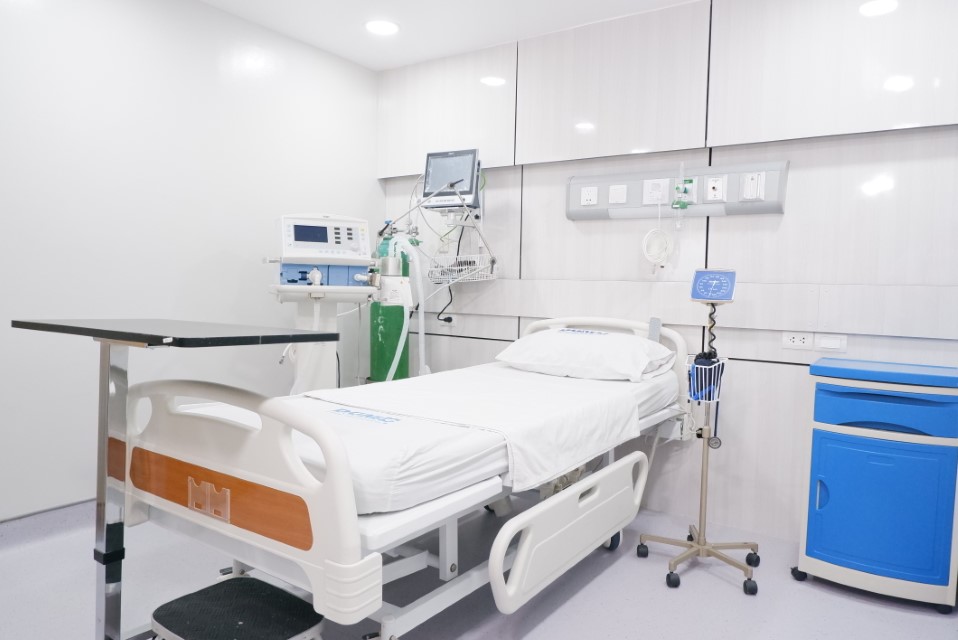
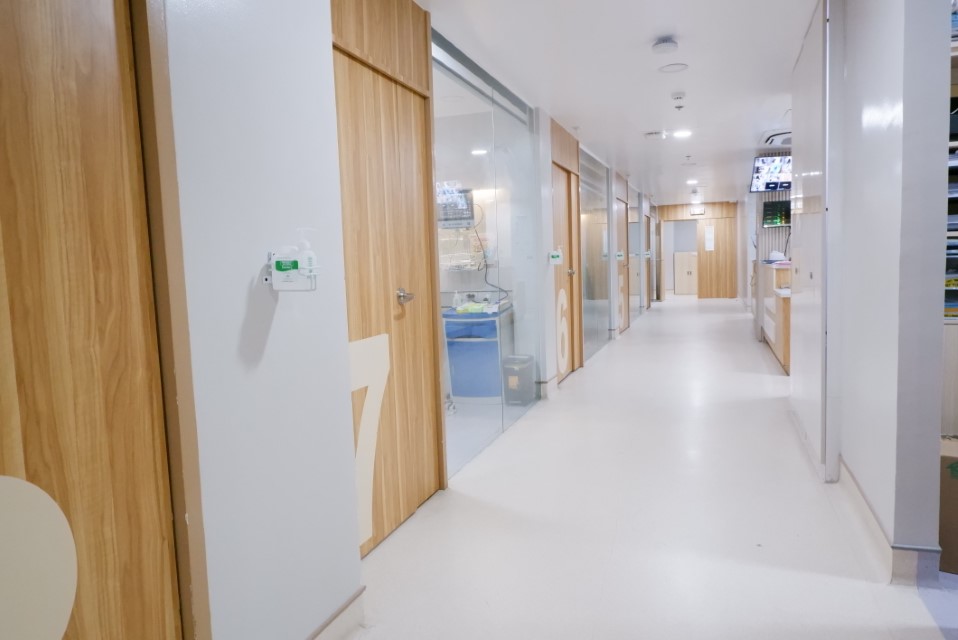
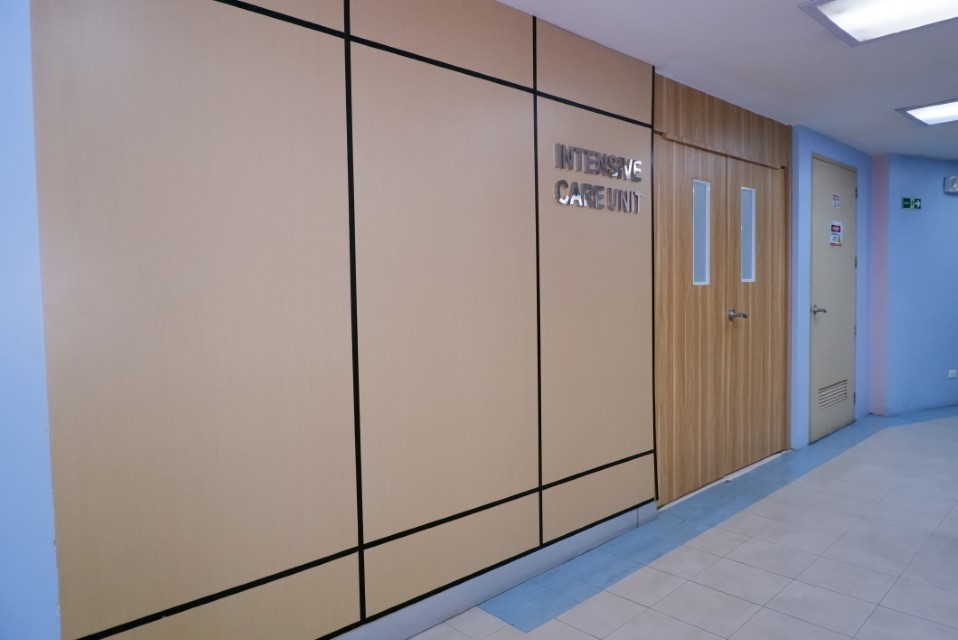
The Intensive Care Section is committed to providing high-quality, life-saving care for patients in the most critical conditions. With advanced technology, specialized expertise, and a focus on compassionate care, the ICU team works tirelessly to stabilize patients, support recovery, and improve the quality of life for those who require intensive medical attention.
DGMC ICS has a 10 bed capacity that can cater a month old infant to elderly patient.
Services:
Patients in the ICU are continuously monitored for vital signs such as heart rate, blood pressure, oxygen levels, and other critical parameters. Advanced monitoring equipment is used to track any changes in condition and ensure prompt interventions when necessary.
For patients with respiratory failure or distress, the ICU offers mechanical ventilation and other respiratory support, including non-invasive ventilation, oxygen therapy, and management of patients requiring tracheostomies.
Patients with severe cardiac conditions, including heart attacks, arrhythmias, or heart failure, receive specialized care such as continuous cardiac monitoring, administration of medications, and advanced interventions like defibrillation or pacing if required.
Critical care patients often require management of their blood pressure and circulatory system. The ICU team uses medications and devices such as intravenous fluids, vasopressors, or intra-aortic balloon pumps to stabilize blood pressure and optimize organ perfusion.
ICU patients frequently experience significant pain or discomfort, requiring carefully controlled pain management through medications, including sedatives, analgesics, and muscle relaxants, to maintain patient comfort and facilitate healing.
A team of specialists, including intensivists, surgeons, respiratory therapists, nutritionists, and pharmacists, work collaboratively to create personalized treatment plans that address the individual needs of critically ill patients. This multidisciplinary approach ensures comprehensive and holistic care.
Patients with kidney failure may require continuous renal replacement therapy (CRRT) or intermittent hemodialysis. The ICU is equipped to provide these services to support kidney function and prevent complications from acute renal failure.
The ICU plays a critical role in the early identification and aggressive management of sepsis, using intravenous antibiotics, fluids, and other interventions to prevent organ failure and improve survival rates.
ICU patients with neurological conditions such as stroke, traumatic brain injury, or seizures are closely monitored for neurological function. The team provides interventions to manage intracranial pressure, prevent brain injury, and support recovery.
Critically ill patients often require specialized nutritional support, including enteral or parenteral nutrition, to ensure that they receive the appropriate nutrients during their recovery.
The ICU provides immediate and intensive care for patients recovering from major surgery, ensuring that any post-operative complications are promptly identified and addressed.
For patients with terminal conditions or those for whom aggressive treatment is no longer effective, the ICU provides compassionate palliative care. This includes managing pain, discomfort, and supporting families in making informed decisions about end-of-life care.